Cat Playing Design Review
First Impressions: A Playful Touch for Embroidery Projects
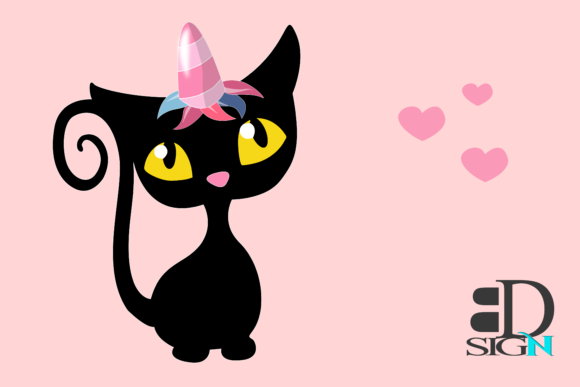
When I first opened the Cat Playing Design, I was immediately drawn to its charm. The design has a whimsical, playful vibe that feels perfect for a range of handmade and commercial embroidery projects. It’s not overly complicated, which is great for beginners, but it still carries enough detail to appeal to more experienced embroiderers looking for something with character.
The vector-based format in 100% CMYK color mode gives me confidence in its adaptability. I can easily tweak colors to match my client's branding or personal preferences. The high-resolution PNG and JPG files are also a bonus when creating printable mockups or digital previews for Etsy listings.
Real-Life Scenario: Custom Embroidered Tote Bag
Let’s imagine I’m preparing a custom embroidered tote bag for a boutique gift shop. The Cat Playing Design would be an excellent choice for this project. It adds a fun, approachable element that speaks to both children and adults. I envision it stitched on a light-colored canvas tote with a contrasting thread color—maybe a soft blue or green—to make the cat pop.
The design's layout is balanced and doesn’t feel cluttered. It works well as a standalone graphic without needing additional text or elements. This makes it versatile for various products like aprons, pillow covers, or even baby onesies.
I would use the AI and EPS files to adjust the size and colors before finalizing the embroidery file. Testing it on scrap fabric first is essential to check how the stitch density affects the overall look and feel of the finished product.
Performance in Real Embroidery Situations
The Cat Playing Design performs well in most common embroidery applications. For custom apparel like sweatshirts or t-shirts, the design holds up nicely, especially when using a proper stabilizer. Its simplicity means it won’t overwhelm the garment, making it ideal for both kids' and adult clothing.
For items like patches or tote bags, the design’s clarity remains intact even when viewed from a distance. It’s a good fit for holiday gifts or personalized items where the goal is to add a touch of fun without being too busy.
However, there are some scenarios where extra care should be taken. If using the design on small hoop sizes or stretchy fabrics, adjusting the stitch density and choosing the right stabilizer becomes crucial. Tiny details in the cat’s face might not show up clearly on dark backgrounds, so testing on different fabric types is recommended.
Visual Appeal and Customer Engagement
The visual appeal of the Cat Playing Design lies in its ability to evoke warmth and playfulness. It’s a design that instantly draws attention, whether on a handmade product or a commercial item. Customers tend to react positively to such designs—they’re inviting and relatable.
This kind of design can elevate the perceived value of a handmade product, especially if used in boutique branding or Etsy listings. It helps create a sense of professionalism while maintaining a friendly, approachable aesthetic.
As a designer, I also appreciate how it can be adapted to different contexts. Whether it’s a personalized gift, a commercial embroidery project, or a digital embroidery file for resale, the design offers flexibility without sacrificing quality.
Practical Embroidery Designer Notes
Before using the Cat Playing Design in any real project, I recommend the following:
- Test on scrap fabric: Always do a test run to see how the design looks in stitch form and how it interacts with your chosen fabric texture.
- Check thread color contrast: Ensure the thread colors you choose provide enough contrast against the fabric background, especially if using dark or textured materials.
- Review stitch density: Adjust the stitch density based on the fabric type and hoop size to avoid puckering or distortion.
- Confirm hoop size: Make sure the design fits comfortably within your hoop to prevent stretching or misalignment during stitching.
- Inspect small details: Zoom in on the design to ensure all small features, like the cat’s eyes or ears, will translate well in embroidery.
- Test in black and white mockups: This helps visualize how the design will look on different fabric colors before committing to final thread choices.
- Use proper stabilizer: Especially important for stretchy or thin fabrics to maintain the integrity of the design.
- Confirm licensing: If planning to sell finished items or digital products, always check the licensing terms to ensure compliance.
Overall, the Cat Playing Design is a solid choice for anyone looking to add a bit of personality to their embroidery projects. It’s practical, adaptable, and visually appealing—making it a valuable asset for craft businesses, Etsy sellers, and hobbyists alike.